
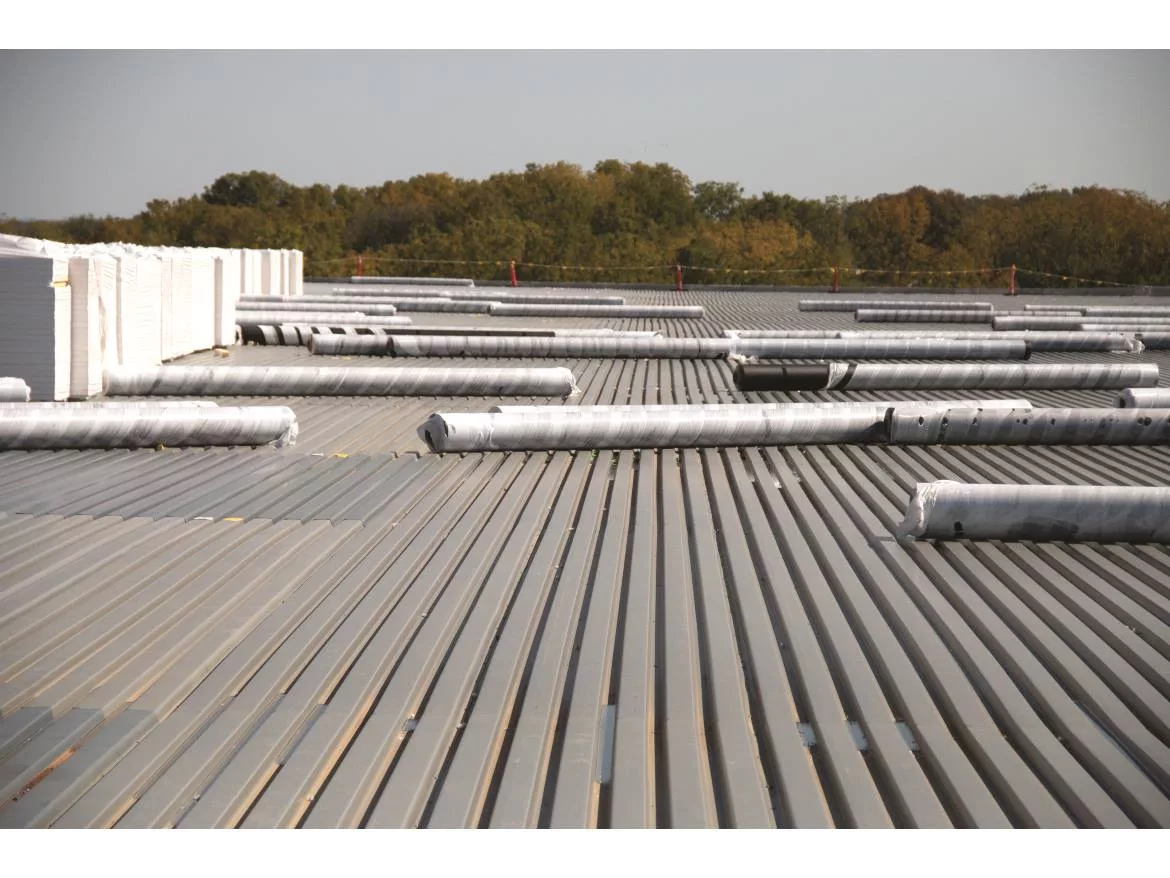
Start With The Existing Roof
Mule-Hide details matter when a San Francisco owner is comparing membranes, coatings, edge metal, insulation, warranty language, and long-term serviceability. Daly City, Colma, San Mateo, Foster City, Redwood City, Menlo Park, and Palo Alto add Peninsula retail, medical office, office campus, school, multifamily, and life-science roof demand. sits in the Financial District near the Embarcadero, Salesforce Transit Center, Market Street, and the high-rise office core covered by the Downtown General Plan's C-3 commercial district policies. California Title 24 energy rules and cool-roof standards can affect nonresidential reroofing, recovering, recoating, reflectance, thermal emittance, SRI, and product documentation.
Access And Operations Come First
Before crews mobilize, we verify how Mule-Hide planning affects tenants, loading, elevators, pedestrian controls, rooftop equipment, service paths, and daily dry-in needs. That keeps the scope tied to the building instead of a generic material list.
Repair, Recover, Coat, Or Replace
The practical answer depends on moisture, deck condition, slope, membrane compatibility, code triggers, edge metal, drainage, and how much disruption the building can tolerate. We document those items so ownership can compare a near-term fix with a longer lifecycle option.
Clear Closeout Records
A useful roof file includes photos, observed conditions, access assumptions, repair priorities, warranty notes when applicable, and the next maintenance checkpoint. The goal is a decision record that still makes sense after the crew leaves.
Questions About Mule-Hide
What changes the scope?
Access, wet insulation, deck repairs, edge metal, drain work, occupied-building constraints, disposal, and code documentation can all change the final path.
Can the building stay occupied?
Often, yes. The scope still needs rules for loading, noise, odors, tenant notices, daily dry-in, and emergency contact responsibilities.
When is coating realistic?
A coating is realistic only when the roof is dry, cleanable, compatible, properly detailed, and still structurally sound.
What should ownership receive?
A usable roof file should include photos, observed conditions, assumptions, near-term repairs, capital triggers, and the recommended next step.