
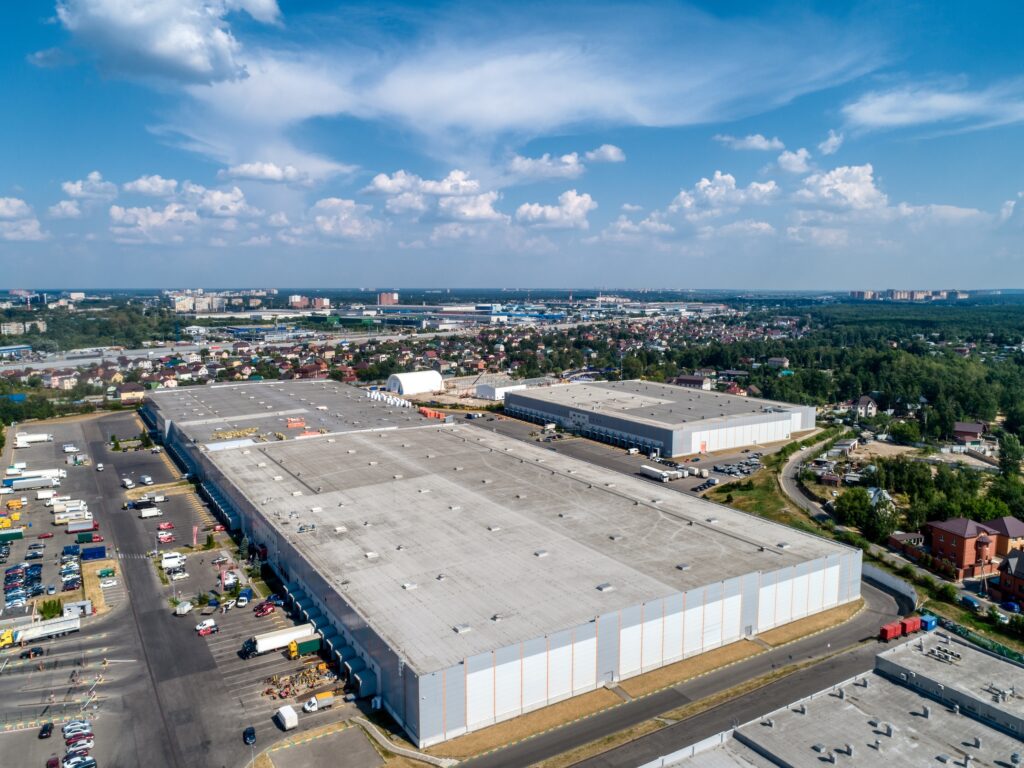
Start With The Existing Roof
A warehouse roofing scope is not a product choice first. It is a shutdown, access, safety, and documentation plan that happens to end with a roof assembly. The Port of San Francisco identifies Pier 80 as an auto-processing terminal and lists Pier 92, Pier 94, and Pier 96 for dry bulk, deep-water, rail, and cargo opportunity functions. San Francisco roofs face marine air, fog cycles, salt exposure near the Bay, wind-driven rain, rooftop equipment traffic, and winter atmospheric-river storms that test drains and wall transitions. Oakland, Alameda, Emeryville, Berkeley, Richmond, San Leandro, Hayward, and Fremont add East Bay logistics, manufacturing, retail, education, office, biotech, and port-support roof demand.
Access And Operations Come First
Before crews mobilize, we verify how Warehouse Roofing planning affects tenants, loading, elevators, pedestrian controls, rooftop equipment, service paths, and daily dry-in needs. That keeps the scope tied to the building instead of a generic material list.
Repair, Recover, Coat, Or Replace
The practical answer depends on moisture, deck condition, slope, membrane compatibility, code triggers, edge metal, drainage, and how much disruption the building can tolerate. We document those items so ownership can compare a near-term fix with a longer lifecycle option.
Clear Closeout Records
A useful roof file includes photos, observed conditions, access assumptions, repair priorities, warranty notes when applicable, and the next maintenance checkpoint. The goal is a decision record that still makes sense after the crew leaves.
Questions About Warehouse Roofing
What changes the scope?
Access, wet insulation, deck repairs, edge metal, drain work, occupied-building constraints, disposal, and code documentation can all change the final path.
Can the building stay occupied?
Often, yes. The scope still needs rules for loading, noise, odors, tenant notices, daily dry-in, and emergency contact responsibilities.
When is coating realistic?
A coating is realistic only when the roof is dry, cleanable, compatible, properly detailed, and still structurally sound.
What should ownership receive?
A usable roof file should include photos, observed conditions, assumptions, near-term repairs, capital triggers, and the recommended next step.